AI Notes: The tools, the tells, and the part that's still ours.
May 13, 2026
First in a series. A eulogy for the em dash, among other things.
FULL DISCLOSURE
Here's something I'm not going to pretend isn't true. I use AI. Daily, probably. Claude for admin, scheduling, meeting notes, research, and the odd contract review (because I certainly don't have $400 per fifteen minutes for a lawyer right now, and that's that). Figma’s AI features in design mode (prototyping mostly). Proofing, grammatical edits, site mapping with very deliberate prompting. It has made running a small studio just a touch easier, and I feel really lucky to have access to it.
But designing? No.
AI is moving fast, and the content it's producing at volume feels like nothing (AI slop). It’s exhausting to consume.
CONFIDENTLY AVERAGE
Give AI the most carefully engineered prompt in the world and it will still arrive at the most popular version of the answer. It pulls from what already exists and lands somewhere in the middle. Sometimes the middle looks pretty good. But it also looks like everything else. A brand is only interesting if it's distinct, and distinct requires actual thinking about a particular business, a particular audience, a particular moment.
THE TOILET PAPER ON THE BOTTOM OF YOUR SHOE
Can we talk about the tells? Every Instagram caption that uses "quietly" as an adjective. Copy that builds to a motivational third point. The tone of cautious authority that never commits to an actual opinion. There's a sameness to AI-generated content that's hard to name but sure is felt.
I also have a personal grievance I must air. AI has truly decimated the em dash. Used well, an em dash is one of the chicest moments in writing. It shifts the pace and changes the weight of what follows. ChatGPT has inserted one into every sentence until it means nothing — a travesty.
I never thought I would be upset about punctuation, but here we are.
THE PART YOU CAN'T PROMPT FOR
All the work I'm proudest of came from understanding something specific about how it actually feels to be on the other end of it.
For Lost in Landscape, we built a content series that asked people to stop and listen to native birds moving through a garden in Bangalow. To notice the particular stillness of a space that's been planted with intention. That brief came from someone who knows what it feels like to suddenly notice something small and alive (particularly our client Lucas, who has an aversion to spiders).
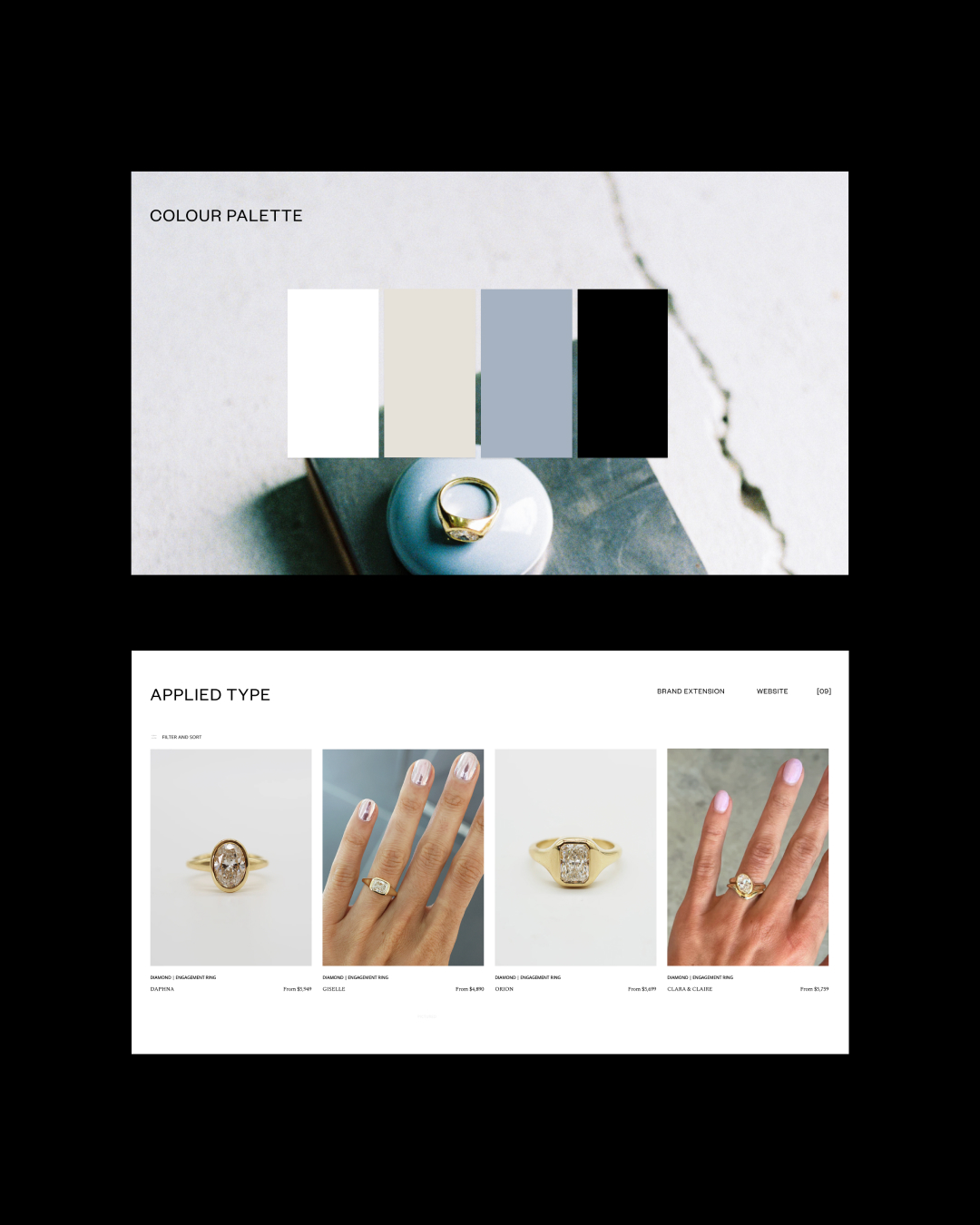
For Daphne Huguette, designing the full arc of a jewellery purchase meant understanding what it feels like to open a small box with unsteady hands, knowing the next few seconds hold the answer to a question you've been carrying for months. AI can describe that feeling, but it has never actually experienced it.
Human creatives don't always live the exact thing either. But we can empathise, and that's what we're working from.
People are more likely to pay attention to something when they can feel someone paid attention creating it.
Lily